Archives
-
No. 28 (2025)
Special Issue Editors: Jonathan Vickery, Stuart MacDonald, and Nicholas J. Cull
This is a collaborative issue: it offers submissions collated from a range of contributors, who were engaged while the editors were networking for a broader project on international cultural relations. That broader project generated an edited volume (Edward Elgar, 2025) and this special issue. This special issue is of broader scope, and features a diversity of both essays and research papers on international current affairs (Heinicke, Dragićević-Šešić and Mijatovic, Kim, Gad and Johnsen) as well as on education, human rights and global creative economy (Lempert, Byun and Vickery, and Yang).
-
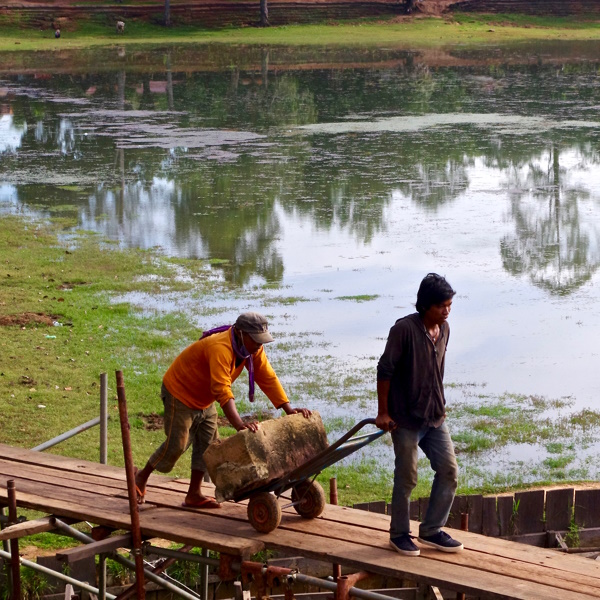
Special Issue: Beyond Development: Local Visions of Global Poverty
No. 26 (2021)Guest Editor - Julia McClure, University of Glasgow
-
Special Issue ‘Development, Democracy and Culture’
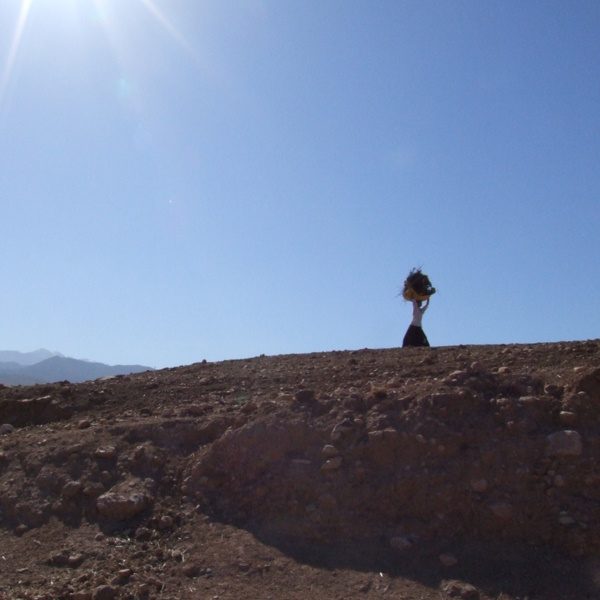
No. 24 (2019)In a time of huge religious, political and territorial conflict, the cultural dimension of development is all too easily ignored. The last special issue of the Journal of Law, Social Justice and Global Development was concerned with Cultural Rights (culture and human rights); this current issue, thematically, follows from a question that emerged in the process of its editing: How have global cultural policies been conceived as development policies through a quest for the ‘ideal’ of democracy? The 2001 UNESCO Universal Declaration on Cultural Diversity, and then the 2005 Convention on the Protection and Promotion of the Diversity of Cultural Expressions, appealed to the values of democracy as a ‘basis’ of their operational efficacy. But what kind of democracy is most effective in the implementation of cultural policies, and how that that re-adjust our thinking on the role of culture in development? What happened to the discourse on democracy and development that featured milestone texts like the World Commission on Culture and Development’s Our Creative Diversity (1966)? What happened to the notion that cultural pluralism was a road to democratisation, and why do policies on multiculturalism no longer seem to promise a vibrant participatory “culture” of democracy for the brave new “globalised” world? These questions cannot be decisively answered, but the articles in this issue serve to frame our investigation moving forward to a substantive response.
Special issue edited by John Clammer and Jonathan Vickery.
-
Special Issue: Cultural Rights and Global Development

No. 22 (2018)This special issue investigates the political nexus of cultural life and the law, creative or artistic activity and permitted actions or statements. Cultural Rights has been a recognised legal concept since before the 1966 UN International Covenant on Economic, Social and Cultural Rights. However, as the 1966 Covenant demonstrated, separating the cultural from the social and civil is not straightforward, or rather, only apparently straightforward if articulated in terms of anthropological or sociological generalisations, which are not wholly useful. This collection of nine very different papers demonstrate how the ‘culture’ in Cultural Rights must be made specific and analytically useful for a ‘Right’ to be both credible and operational as a legal instrument or set thereof.
The special issue therefore aims to set out the legal terrain of Cultural Rights, interrogate its terms and conditions, and then to put into question how they pertain to specific forms of culture in specific places.
Special issue edited by Jonathan Vickery
-
Special Issue: Gender and Development
No. 21 (2018)The rise of Gender as subject and object of research in recent years is significant. Gender equality and women’s rights have become central to our concept of social justice. Their significance for development, however, extends beyond the concern for social justice to the organisation of political resistance, solidarity, and civil society. Research in Gender and women has provided new critical frameworks on the very concept of development as well as new intellectual movements calling for the revision of development policy, identifying the how agents of development are so often compromised by patriarchal power, their postcolonial condition and the continued hegemony of the West. In this special issue, six distinct papers tackle a diversity of subjects, from people trafficking to craft markets to children and early marriage — and they all make reference to the centrality of recognition, protection and justice made possible only through a democratically determined law and legal system.
Special issue edited by Ann Stewart.